
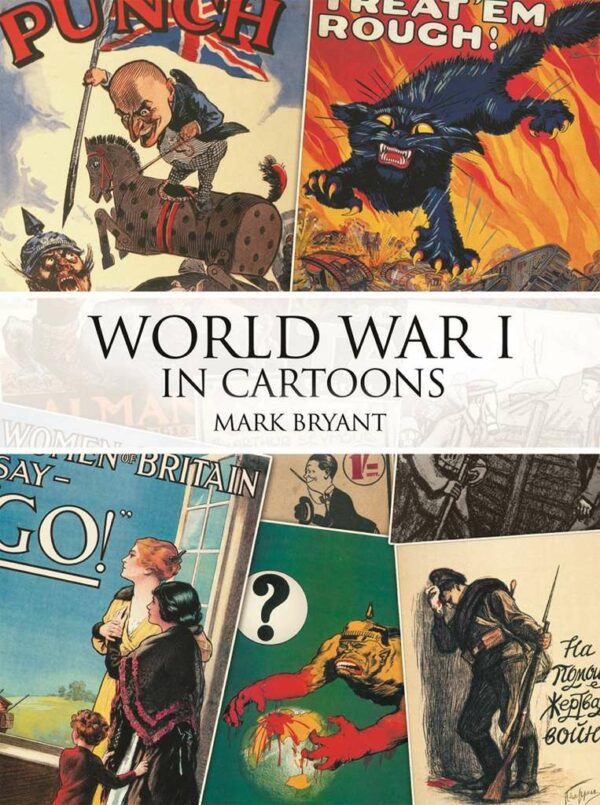
World War I in Cartoons
Candle Safety
1. Trim your wick before burning your candle the first time and every subsequent burn thereafter.
2. We advise burning your candle for periods of no longer than three hours at a time.
3. Discontinue burning your candle when there is 10mm / 1cm of wax is remaining.
4. Always burn your candle on a stable and heat resistant surface, away from drafts or items that can catch alight.
5. Never leave a burning candle unattended, near children or pets.
6. If you’re burning more than one candle at a time, space your candles approximately 100mm (10cm) apart.
In an age before TV and radio the impact and importance of cartoon art was immense, especially when the only sources of information were silent cinema newsreels, posters, newspapers and books - all largely black and white. The cartoon had an immediacy and universal accessibility, giving a message words could not convey. So, not surprisingly, the Great War proved an extraordinarily fertile time for cartoonists. When Zeppelins blackened the sky and U-boats challenged the Royal Navy's supremacy at sea, it was Heath Robinson's crazy cartoons and the antics of Bairnsfather's immortal 'Old Bill' that kept the British upper lip resolutely stiff. And who could take Kasier Bill, the Red Baron and all the mighty Prussians at all seriously when H.M. Bateman and Bert Thomas cocked a snook at all they held dear and the pages of Punch, Bystander, London Opinion, Le Rire, Le Canard Enchaine and such US journals as Puck, Judge and Life kept everyone amused? But not all the cartoons were lighthearted. Indeed, the vicious drawings of Louis Raemakers were powerful enough to call Holland's neutrality into question and hard-hitting cartoons by such committed artists as Dyson, the American Art Young and David Low caused considerable embarrassment to their respective governments. The Central Powers also had a wealth of talent labouring to counteract the Allies' propaganda machine and prewar satirical journals such as Kladderadatsch, Simplicissimus and Jugend rose to the challenge, producing some of the best work by such enduring artists as Johnson, Gulbransson and Grosz amongst others. Following on from the success of Grub Street's World War II in Cartoons, also by Mark Bryant, this book examines cartoons from both sides of the conflict, both in colour and black-and-white, and skilfully blends them with text to produce this unique and significant visual history of the First World War. ISBN: 9781909808096Author: BRYANT, MARKFormat: PaperbackPublication date: 01/05/2014RRP: $29.99Pages: 160Dimension: 305mm X 229mmImprint: Grub Street